As the 2026 tax season gets underway, millions of Americans are preparing to file their federal income tax returns for the 2025 tax year. For many households, a tax refund plays an important role in managing finances. It is often used to pay rent, handle school-related costs, cover medical or insurance expenses, or clear outstanding bills. Knowing when refunds may arrive can help families plan ahead and reduce financial pressure.
When the IRS Will Start Accepting Tax Returns
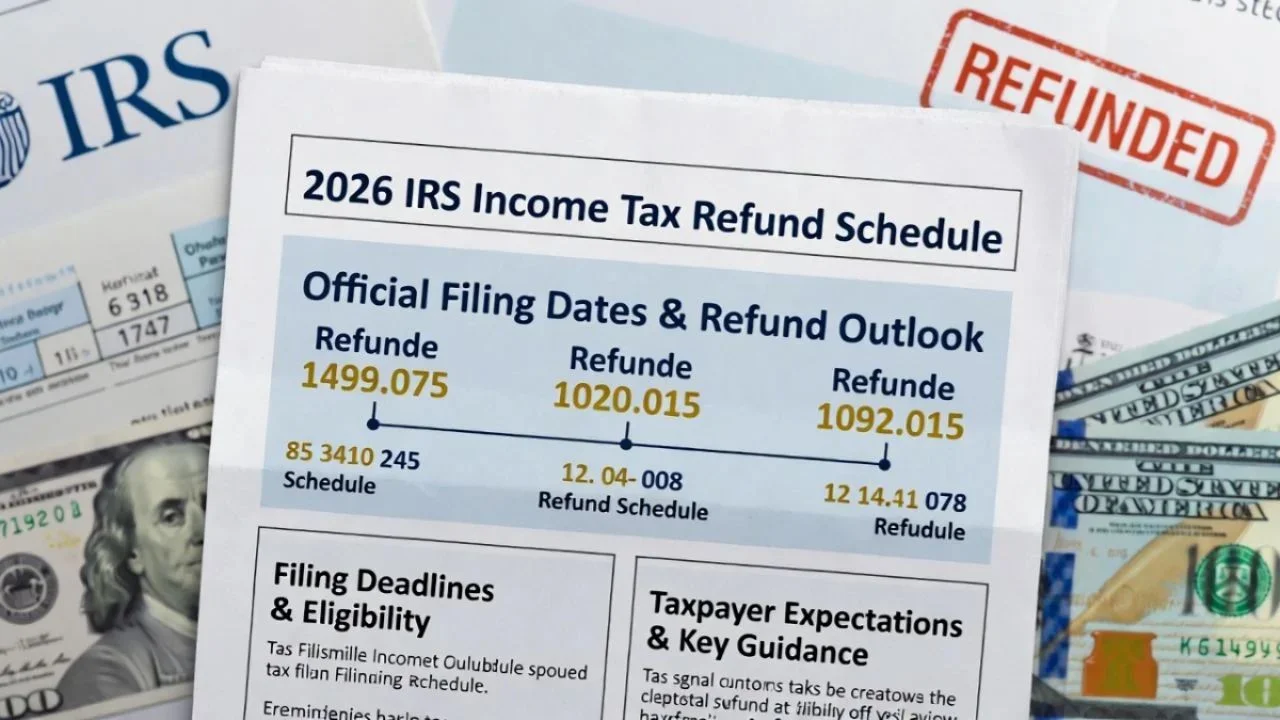
The Internal Revenue Service is expected to begin accepting and processing 2025 tax returns in the final week of January 2026. Although tax software companies may allow early submission, the IRS does not begin reviewing returns until its official opening date. Filing before that date does not speed up the refund process.
The regular filing deadline for 2025 tax returns is April 15, 2026. While taxpayers can request an extension to file later, this does not mean refunds will be issued faster. In fact, filing close to the deadline may slow processing because the IRS experiences heavier workloads during that period.

Why IRS Refund Dates Vary
IRS tax refunds do not follow a fixed payment calendar. The IRS does not publish exact refund dates because every return is different. Refund timing depends on how the return is filed, whether the information is correct, and whether the return requires additional review.
Electronic filing combined with direct deposit is usually the quickest option. Many simple returns are processed within about three weeks. Paper returns, mailed checks, or returns with errors often take significantly longer.
Common Reasons Refunds Are Delayed
Some refunds take extra time because of added verification steps. Returns that include certain refundable credits, such as those for low-income workers or families with children, are reviewed more closely to prevent fraud. These reviews can delay refunds even for early filers.

Mistakes such as missing income forms, incorrect bank details, or mismatched information can also slow processing. In some cases, the IRS must manually review a return, which adds more time.
How to Track Your Refund Status
The most reliable way to check refund progress is through the IRS “Where’s My Refund?” tool. It updates once per day and shows whether a return has been received, approved, or sent. After a refund is issued, it may take one or two business days to appear in a bank account, depending on bank processing times.
Final Thoughts on the 2026 Tax Season
Filing early, using electronic filing, and choosing direct deposit can help reduce delays, but accuracy is more important than speed. While IRS systems continue to improve, refunds remain estimates rather than guaranteed dates. Staying informed and prepared can make tax season less stressful.

Disclaimer
This article is for informational purposes only and does not provide legal, tax, or financial advice. IRS rules, refund timelines, and eligibility requirements may change and vary based on individual circumstances. Readers should consult official IRS resources or a qualified tax professional for accurate and up-to-date guidance.